
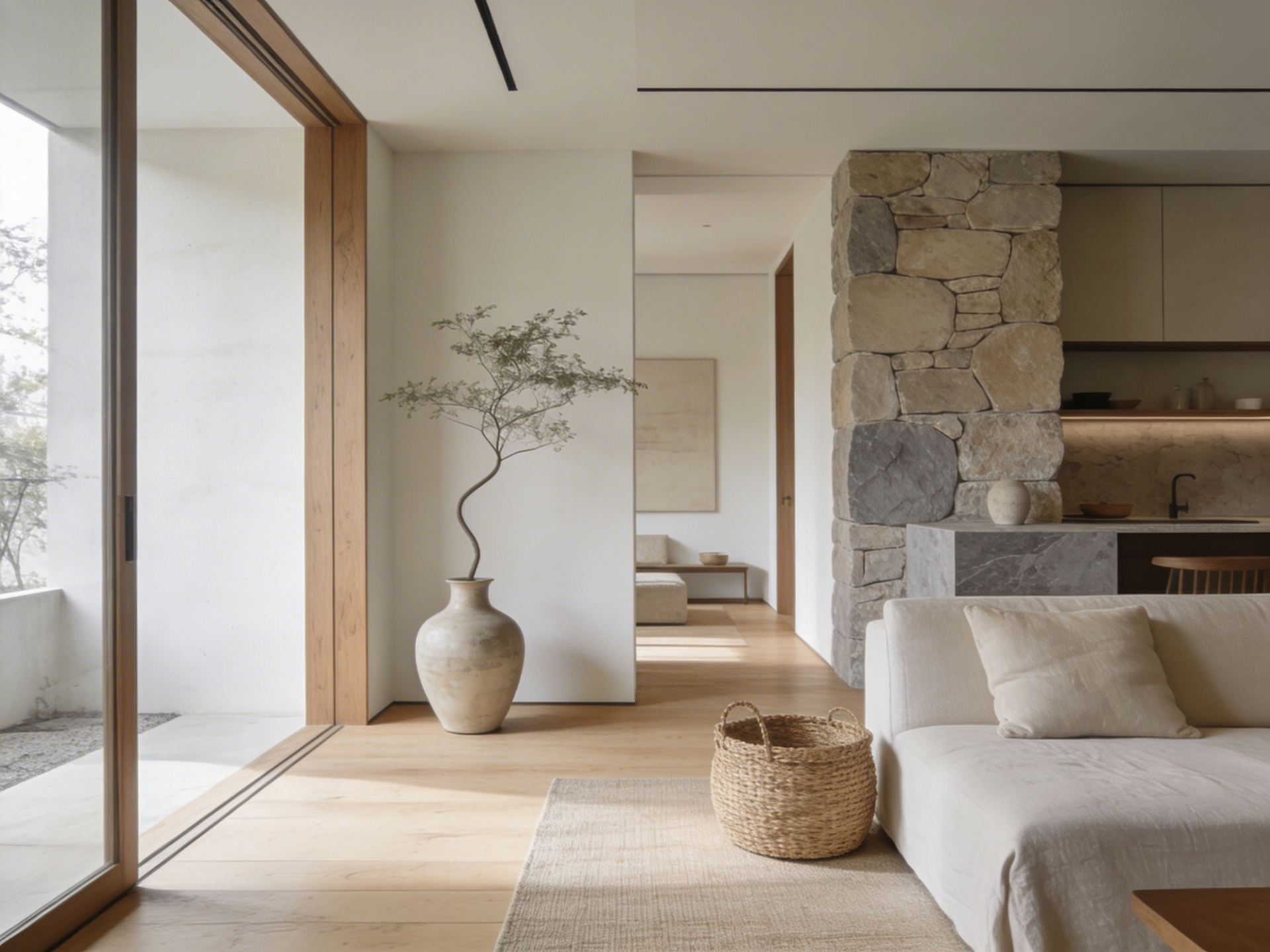
For years, selling a house followed an almost formulaic approach. Everything clean, modern, minimalist. Open spaces, neutral decor, that magazine look that seemed to please everyone.
But something began to change. And those who work in the real estate market already notice it during viewings.
Today, when someone enters a house, they are not just evaluating rooms or finishes. They are trying to understand something much simpler. Can I imagine myself living here?
And the answer doesn't come from the square meters. It comes from the feeling.
Houses with the right light, natural materials, warmer textures, and spaces that invite you to stay are gaining prominence. They don't need to be extravagant. They need to be authentic. To convey comfort, calm, identity.
It's the difference between entering a beautiful space and entering a place where you want to stay a little longer.
This change seems subtle, but it has a direct impact on decisions. Houses that create an emotional connection sell faster. They generate more interest. And often they achieve better negotiation conditions.
And here's the point that many people still underestimate. How a house feels can be worth as much as, or more than, its objective characteristics.
It's not about spending a lot on decoration. It's about creating an atmosphere. About making the space more human. More intimate. Easier to imagine as a home — and not just a property.
It is believed that we are entering a phase where the market is no longer just rational. It still has numbers, of course. But the final decision often happens in seconds, based on a feeling difficult to explain.
Amidst so much similar supply, those who can create a connection win.
And that completely changes how things are sold.
Share this article on your social networks